
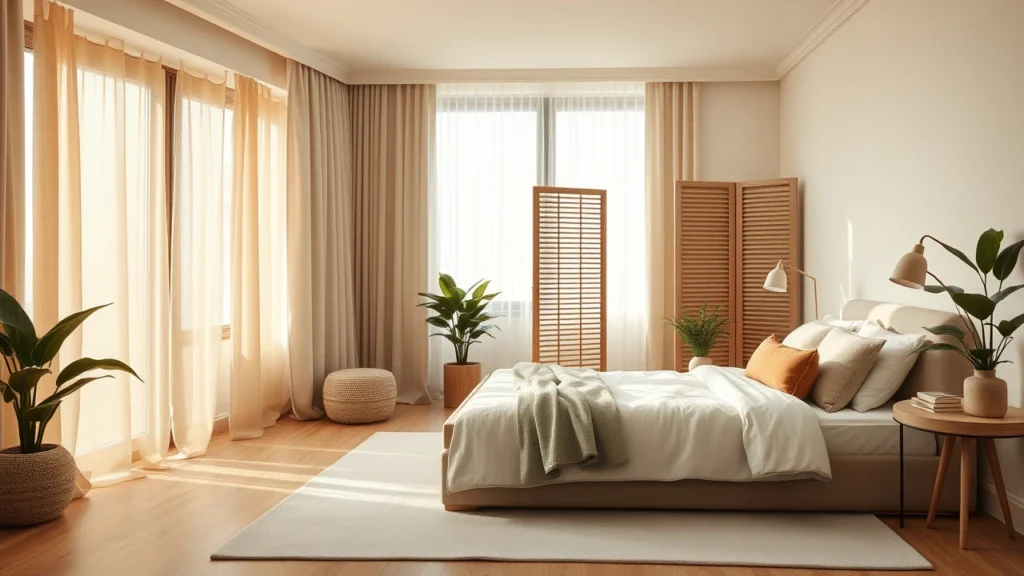
Last night you could practically hear your partner rustle the sheets from the hallway. Now imagine that same bedroom, with one smart screen doing the work of a door without making the room feel closed in.
The right privacy screen can also fix layout problems. It softens harsh light, breaks up sightlines from the foot of the bed, and even creates a “separate” nook in a studio bedroom where you still need to sleep well.
In the ideas below, you’ll find screen styles for every type of space and budget, plus practical placement tips like exactly where to position a divider and how to size it so it actually blocks views instead of just looking decorative.
Linen-Fabric Folding Screen Placed 2 Inches Off the Wall
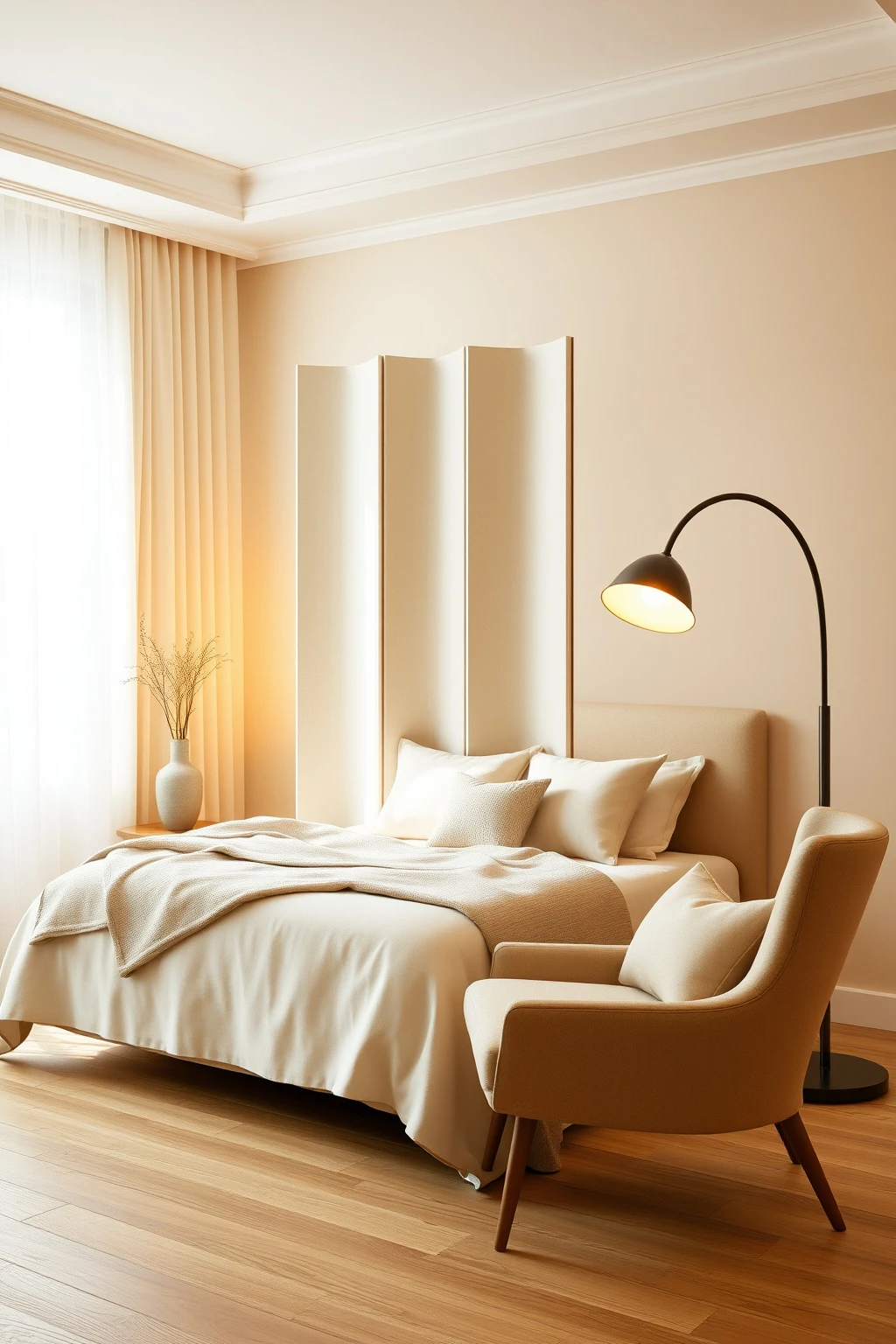
If you need privacy but your bedroom already feels tight, a folding screen in linen is the most graceful way to create a visual buffer. Linen diffuses light so the room stays bright, and the folded shape makes it easy to adjust as your sightlines change. This works especially well when the bed faces a door or when you have a window view that’s too direct.
Place the screen about 2 inches off the wall so it casts softer shadow lines and doesn’t look glued to the baseboard. Aim for a screen height that lands around the same level as your headboard, usually about 54 to 66 inches tall, depending on your bed. For best blocking power, position it so the tallest point sits between the viewer and your pillows, not between the viewer and the foot of the bed. Finish it with a slim floor lamp on the “private” side so you keep warmth even if you block daylight.
Rattan Room Divider to Stop Doorway Sightlines
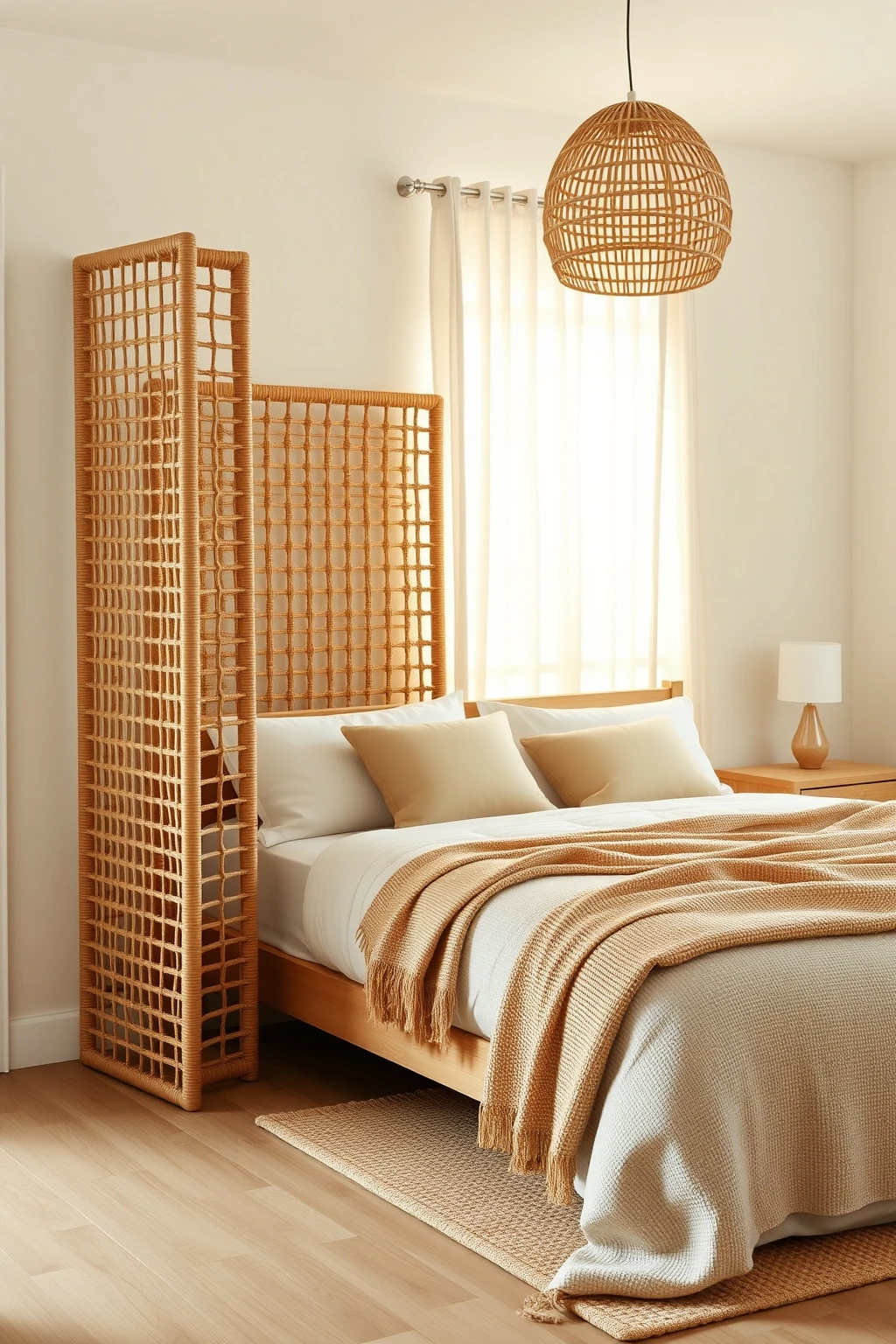
Doorways love to ruin privacy. The moment someone stands in the hall, your bed becomes the focal point. A rattan room divider solves this by adding structure while still letting light move, so your room doesn’t feel like a closet.
Use a divider that’s at least 72 inches tall, or taller if you have a high headboard. Put it perpendicular to the bed, with the divider’s widest section facing the doorway, then angle it slightly (about 10 to 20 degrees) so it interrupts the straight line of sight. Choose a rattan with a tight weave rather than an overly open one if you’re prioritizing privacy over beachy texture. If you want more coverage, add a removable linen overlay using fabric clips so you can switch between airy daytime and deeper evening privacy.
DIY Slatted Wood Screen with 1-Inch Horizontal Bars
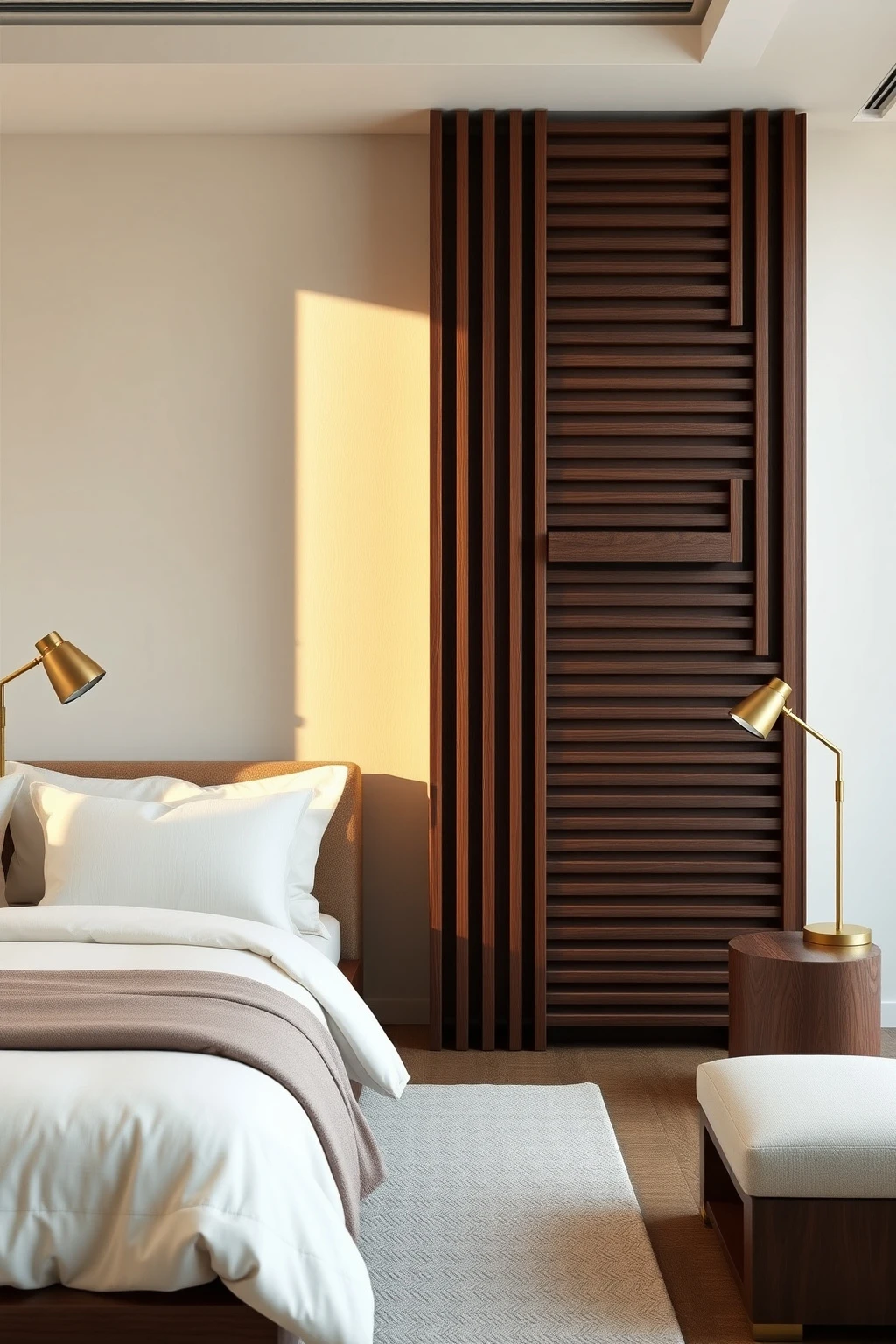
Want privacy without losing the architecture of your walls? A slatted screen gives you controlled visibility, especially when you get the proportions right. The key is spacing: wider gaps read as decorative; narrower gaps feel private.
Build or buy a slat screen with horizontal bars spaced about 1 inch apart. Mount it so its top edge aligns roughly with the top of your pillows, usually 48 to 60 inches from the floor depending on bed height. If you’re DIYing, use oak or walnut stain for a “heirloom” look and paint the back panel in warm ivory so the interior side doesn’t show raw wood. Mistake to avoid: don’t place slats too far from the wall, because it can create distracting gaps behind the screen; keep it within about 1 to 3 inches for a cleaner line.
Sheer + Drape Screen Combo for Layered Evening Privacy
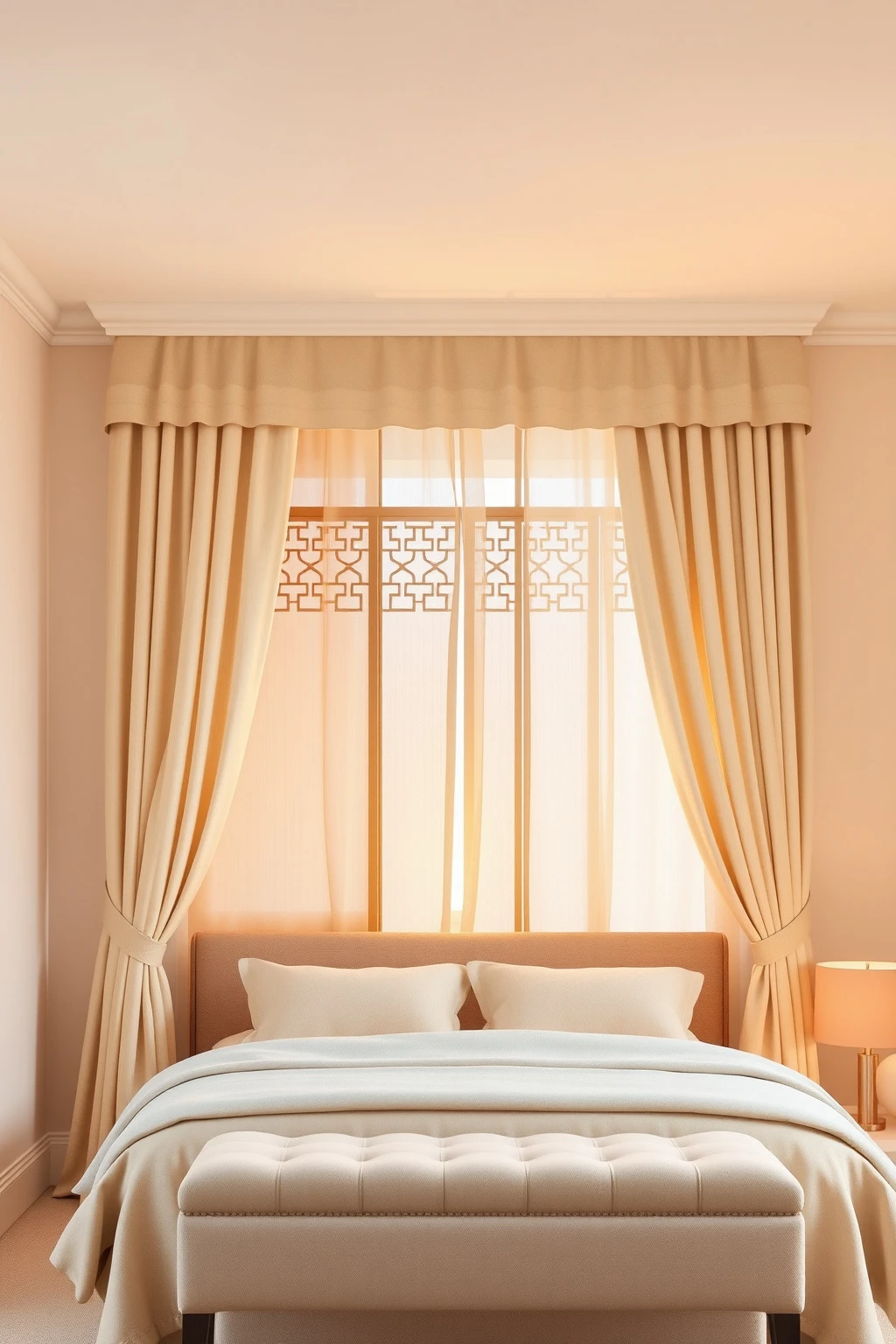
You don’t always need full blockage. Sometimes you need a softer, more romantic kind of privacy that still lets you see light changes from the hallway. A sheer screen under a heavier drape does this brilliantly because you can adjust the opacity night by night.
Hang a ceiling-mounted track above the bed wall and use two layers: a sheer panel on the inner track and a heavier linen or velvet panel on the outer one. Keep the drapes wide enough that when closed, they overlap by about 6 to 8 inches. For the screen panel, choose a washable sheer in warm ivory so it doesn’t look dingy under warm bulbs. Common mistake: using only sheer fabric in the “privacy” zone, which leaves your bed visible in motion and shadow.
Metal Mesh Screen with Black Trim for Modern Contrast
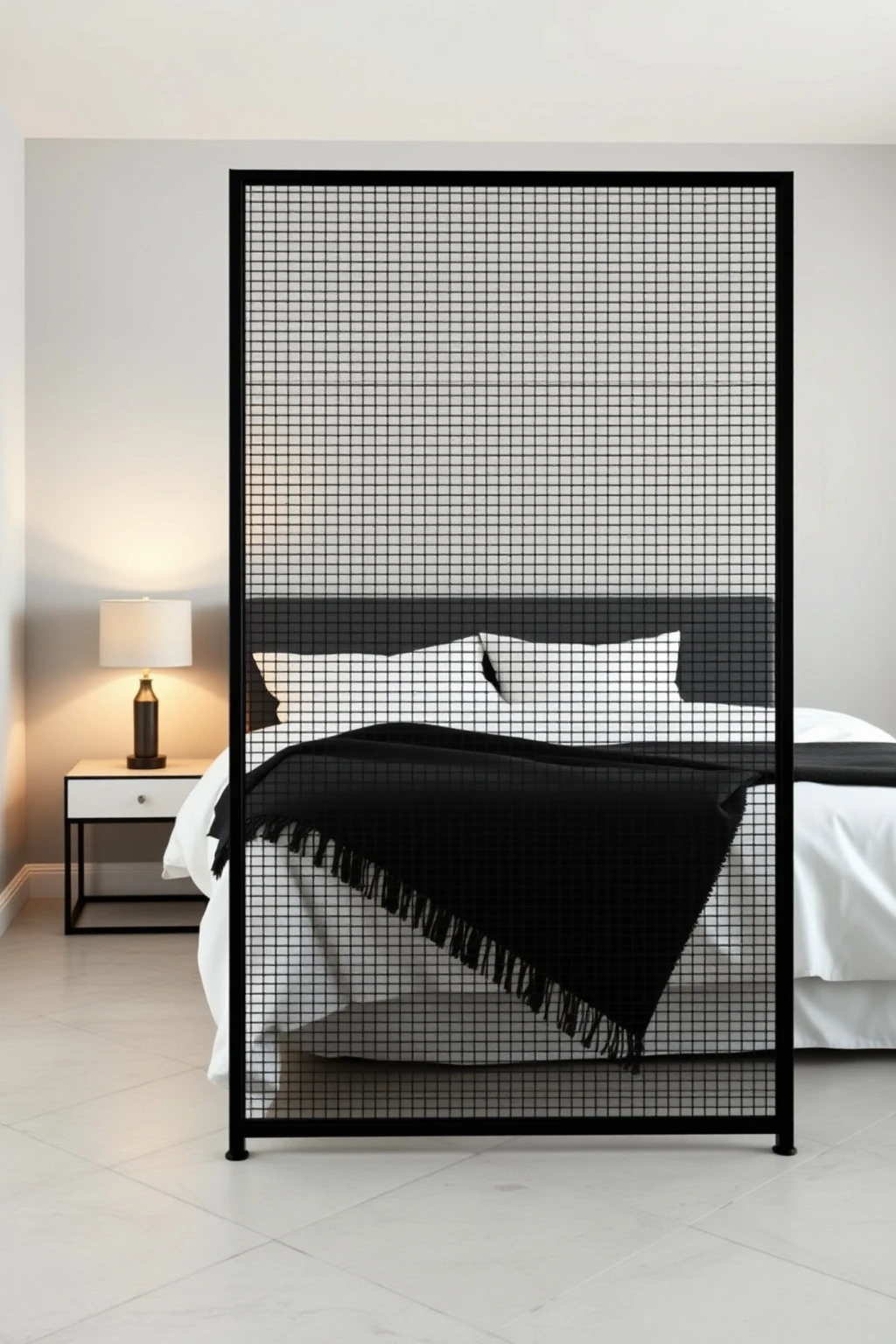
If your bedroom leans modern, a metal mesh privacy screen adds structure without the heaviness of solid walls. The trick is contrast: black trim against light walls reads crisp and intentional, while the mesh texture provides “privacy movement” instead of total darkness. It’s also useful in rooms where you want airflow and light to travel.
Choose a black-trim metal mesh screen with a frame thickness around 1 inch visually (even if it’s thinner, you want that bold edge). Place it about 12 to 18 inches from the bed so you create a distinct zone without blocking the window. If you’re styling a small bedroom, position the screen at the corner to maximize coverage across two sightlines. Avoid placing it directly beside a warm lamp, because metal can cause glare; angle your lights slightly off the mesh surface.
Faux-Fireplace Screen Style with Folding Panels
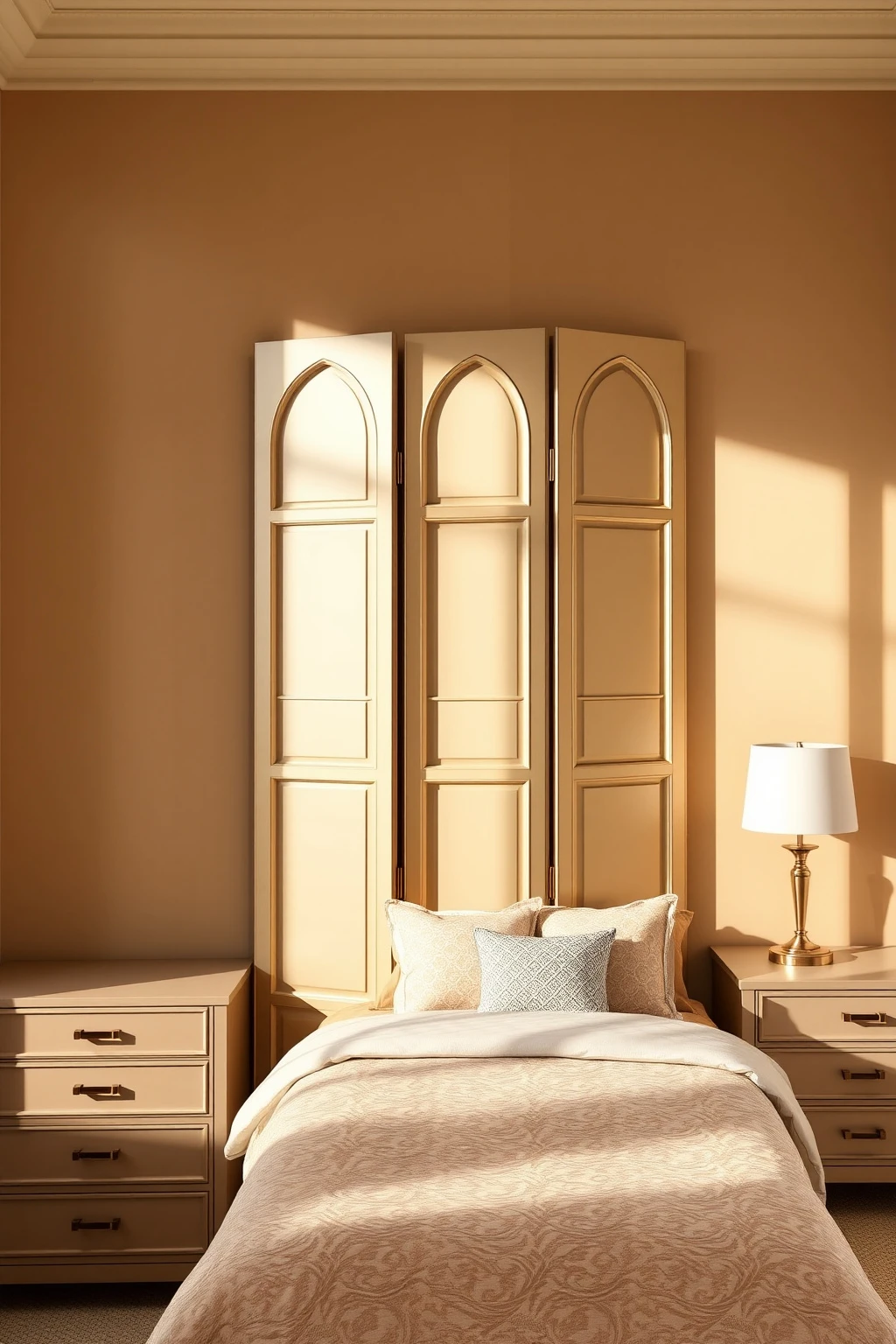
Some bedrooms have an awkward “empty” wall that begs for something tall, but you don’t want it to look bulky. A folding screen that’s built like a decorative architectural panel gives you privacy while also filling the blank. It works because the silhouette looks composed, like it belongs in the room, not like furniture that was added last.
Look for screens with arched tops or built-in frame molding so they visually echo a mantel. Place it where you’d normally hang a large mirror, but instead of reflecting the hallway, it breaks the view toward the bed. For a cohesive look, match the screen finish to your hardware: black iron for matte black knobs, warm brass for brass fixtures. Skip cheap particleboard screens; they warp and look wavy once you set them in consistent light.
Shower-Tile Look Screen: Ceramic Veneer on a Lightweight Frame
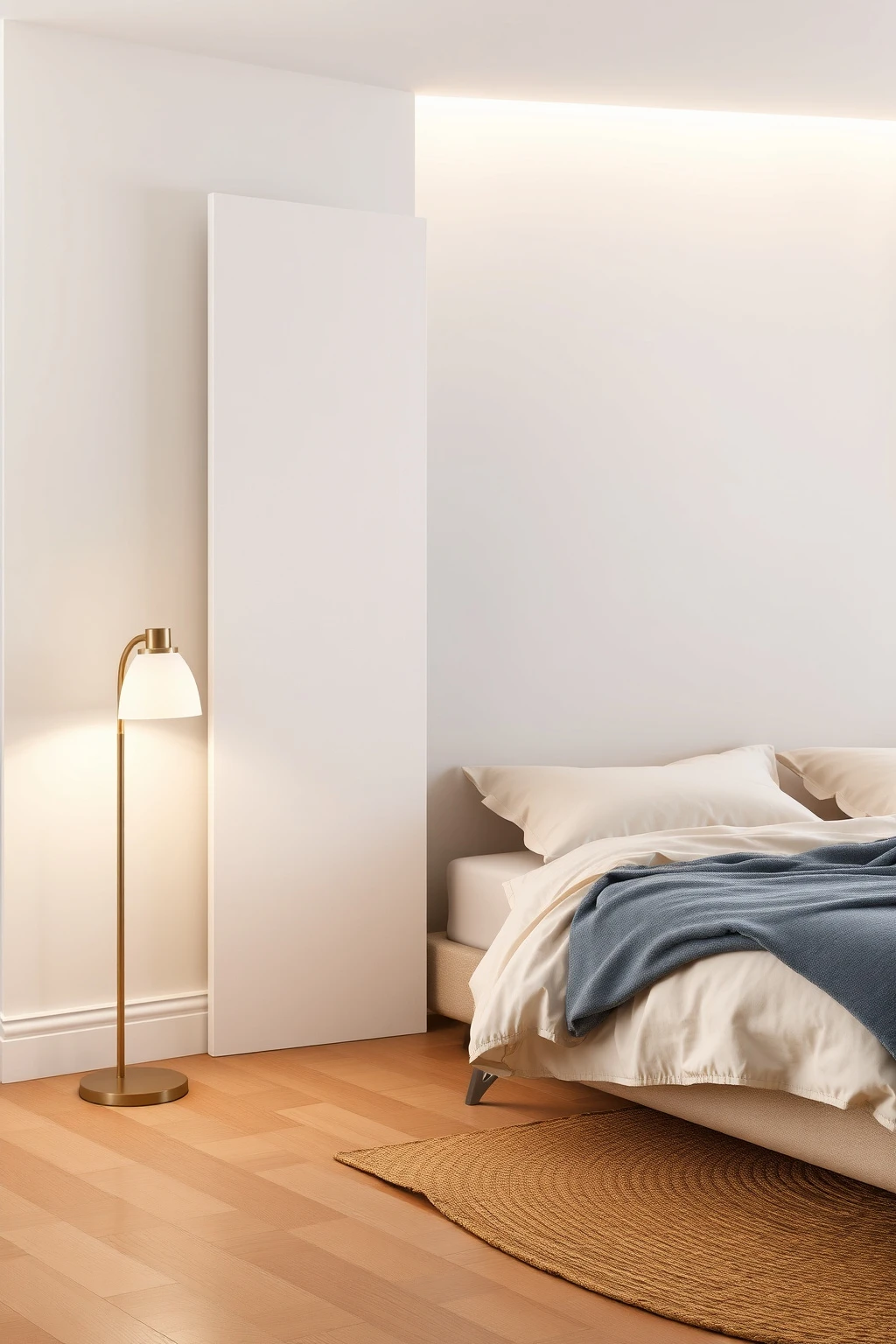
Here’s a design trick you might not expect: a ceramic-look screen can look architectural while still acting as a privacy layer. It’s especially good if you want privacy but your bedroom is adjacent to a hallway bathroom or a high-traffic entrance. The surface hides fingerprints better than fabric too.
Use a lightweight frame covered in ceramic veneer tiles in a matte finish, like off-white with subtle speckle. Keep the screen height close to your shoulder line when seated, roughly 54 to 60 inches, so it blocks casual sightlines. Mount it slightly forward from the wall and add a small baseboard gap with felt so it won’t scrape. Mistake to avoid: choosing glossy tile if your bedroom has bright overhead lighting, since glare can make privacy feel less effective.
Tall Burlap or Jute Screen for Budget-Friendly Privacy
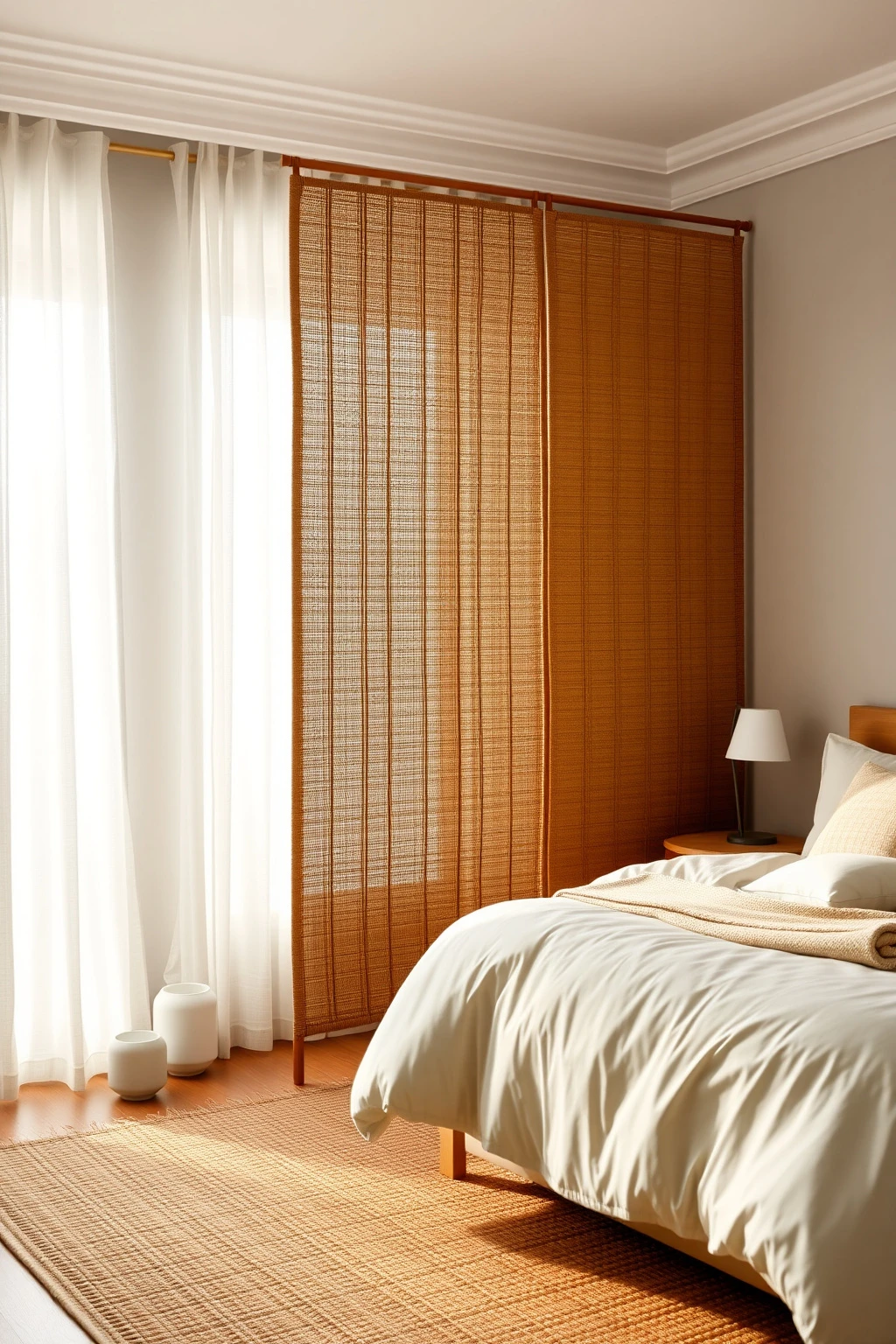
If you’re working with a tight budget, burlap or jute can do real privacy work, not just look rustic. Natural fibers absorb and soften contrast, so you blur movement without turning the room into a cave. This is a great option for rented apartments where you want something removable.
Choose a jute screen that is fully lined, not just a flat roll of textured fabric. Target a height of 72 inches to cover the line between a standing viewer and your bed. If the screen feels too stiff, layer a removable off-white cotton panel behind it using snaps or adhesive velcro squares. Common mistake: using a super coarse weave that looks scratchy and lets too much detail through in daylight.
Akari-Inspired Paper Screen for Soft, Quiet Filtering
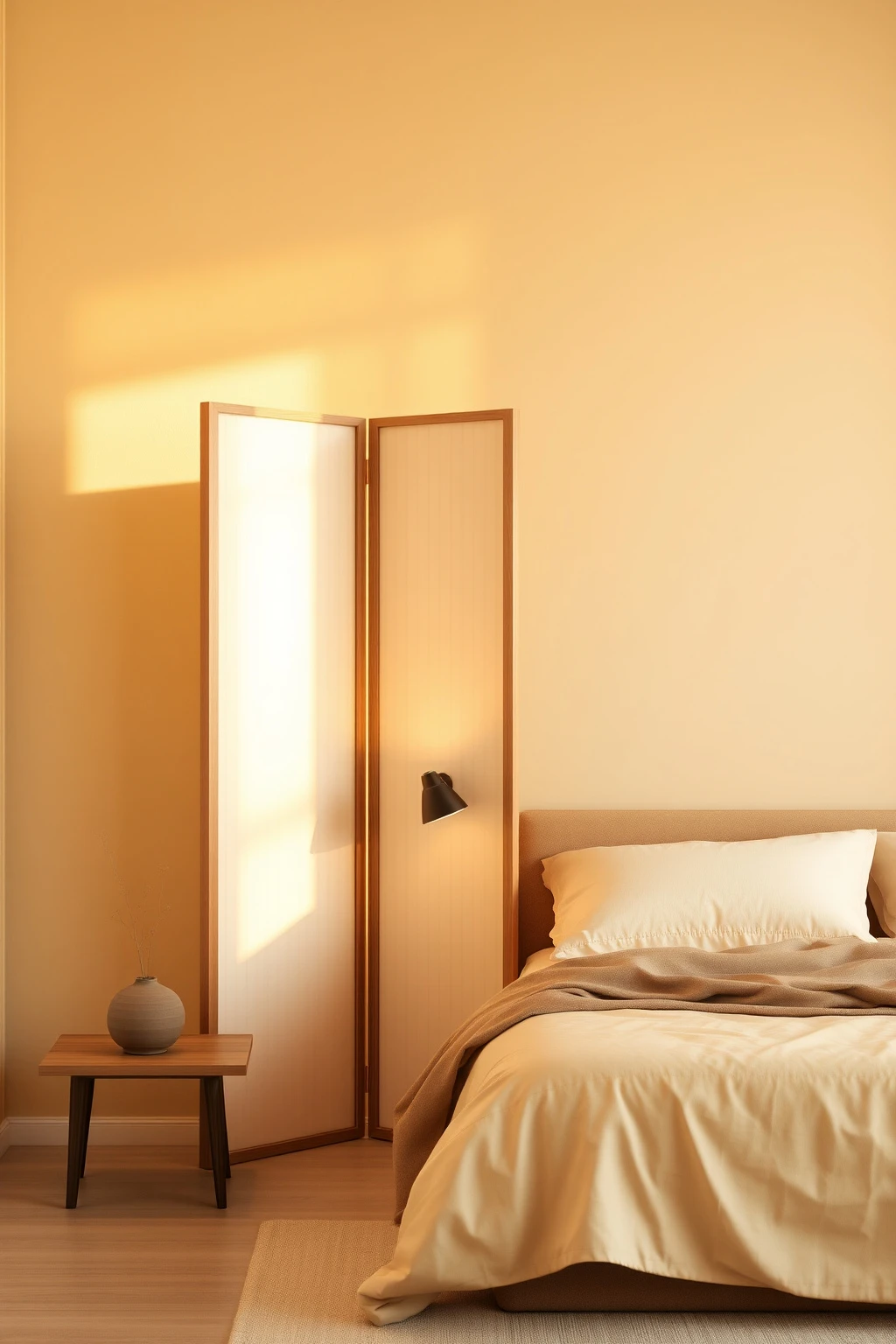
For bedrooms where you want calm more than blackout, paper screens are the secret. They don’t “seal” the room the way curtains do, but they create a gentle veil that makes the space feel calmer and more private. This works especially well in rooms with warm light and minimal clutter.
Select a folding paper screen with thick, rice-paper-like sheets and a stable wooden frame. Place it at the side of the bed, not directly in front, so you keep traffic flow behind it. Aim for screen width of about half the length of your bed, so it covers the most direct view without wasting floor space. Mistake to avoid: placing paper screens in direct sun all day, which can yellow the material unevenly.
Curtain-Screen on a Track for Maximum Adjustability
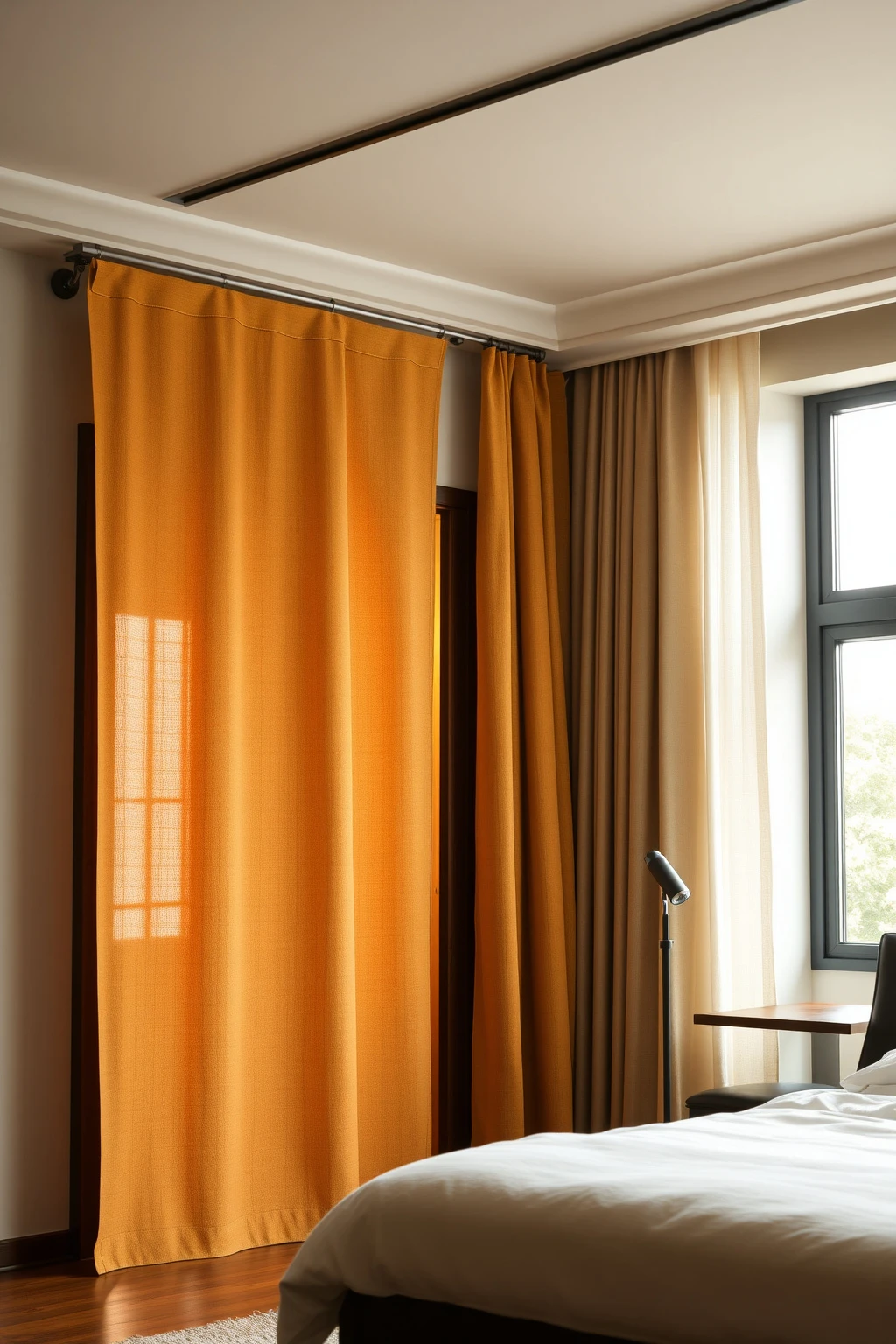
If you hate committing to one placement, a curtain-screen on a track is the most practical privacy solution. You can slide it to expose a window when you want brightness, then close it when you need quiet. This is ideal for guest rooms that double as office space.
Install a wall or ceiling track above the doorway or along the wall behind the bed, then hang a long panel in medium-weight linen or cotton canvas. Use a panel width that covers the full zone plus overlap, typically 2 to 3 feet wider than the view you want to block. Add tiebacks in matching fabric so you can pull it open cleanly. Common mistake: hanging panels too short, leaving a clear “window” at the bottom that defeats privacy.
Bi-Fold Closet Door Hack Using Fabric Panels
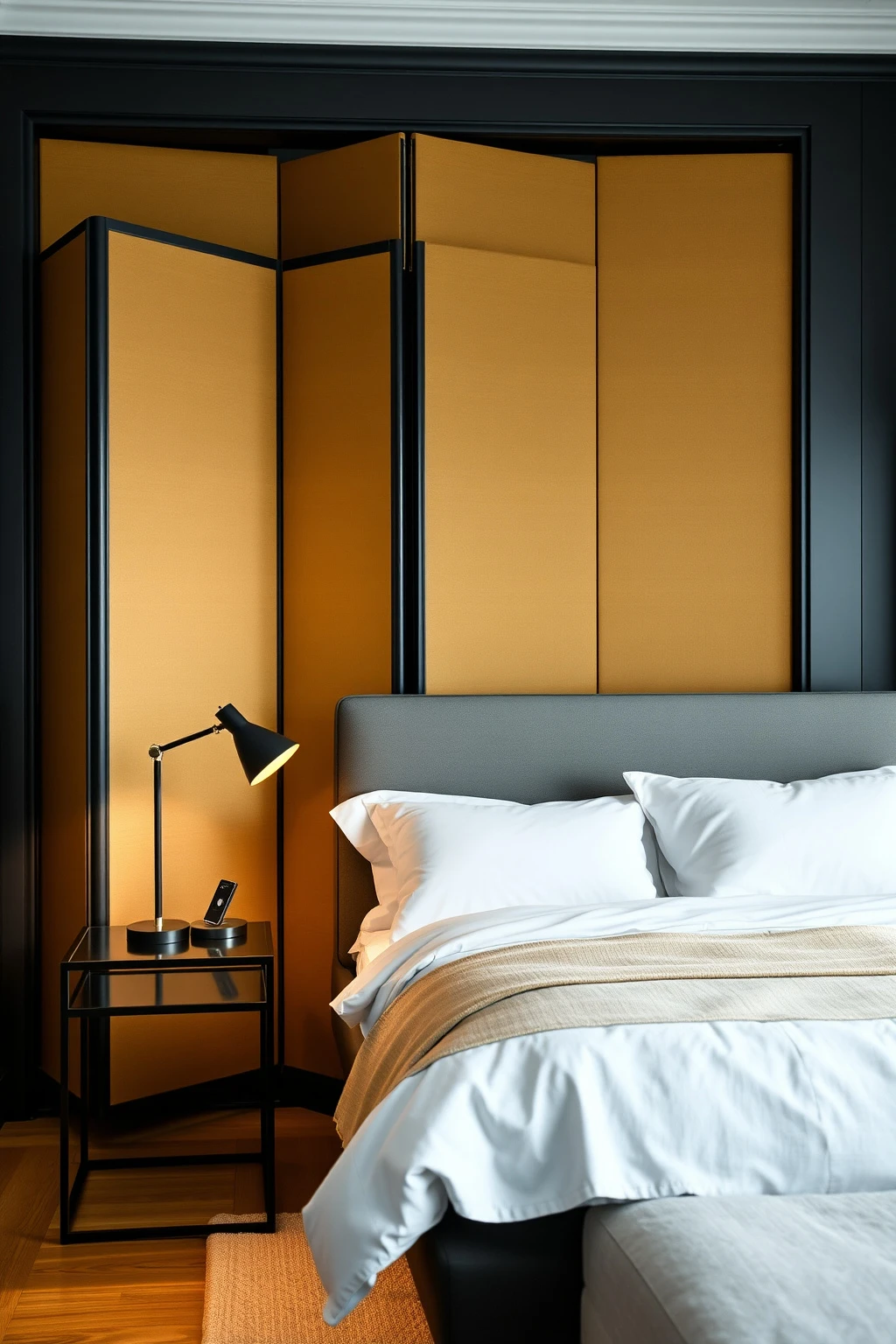
You can repurpose an existing closet framework or buy a bi-fold door kit to create a custom screen. This is one of the best hacks for people who want privacy but refuse to lug furniture through narrow hallways. The door hardware also helps keep the screen aligned, so it looks built-in.
Cover the bi-fold sections with removable fabric panels, like heavyweight linen or cotton duck, stretched tightly and secured in the frame. Paint the frame in matte charcoal if your bed hardware is in black, or warm white if your room is all light oak. Install the folded screen so it swings or folds out to block the bed when needed. Mistake to avoid: leaving fabric loose, because slack fabric billows and creates gaps where visibility sneaks through.
Layered Mirror Screen: Privacy Without Losing Light
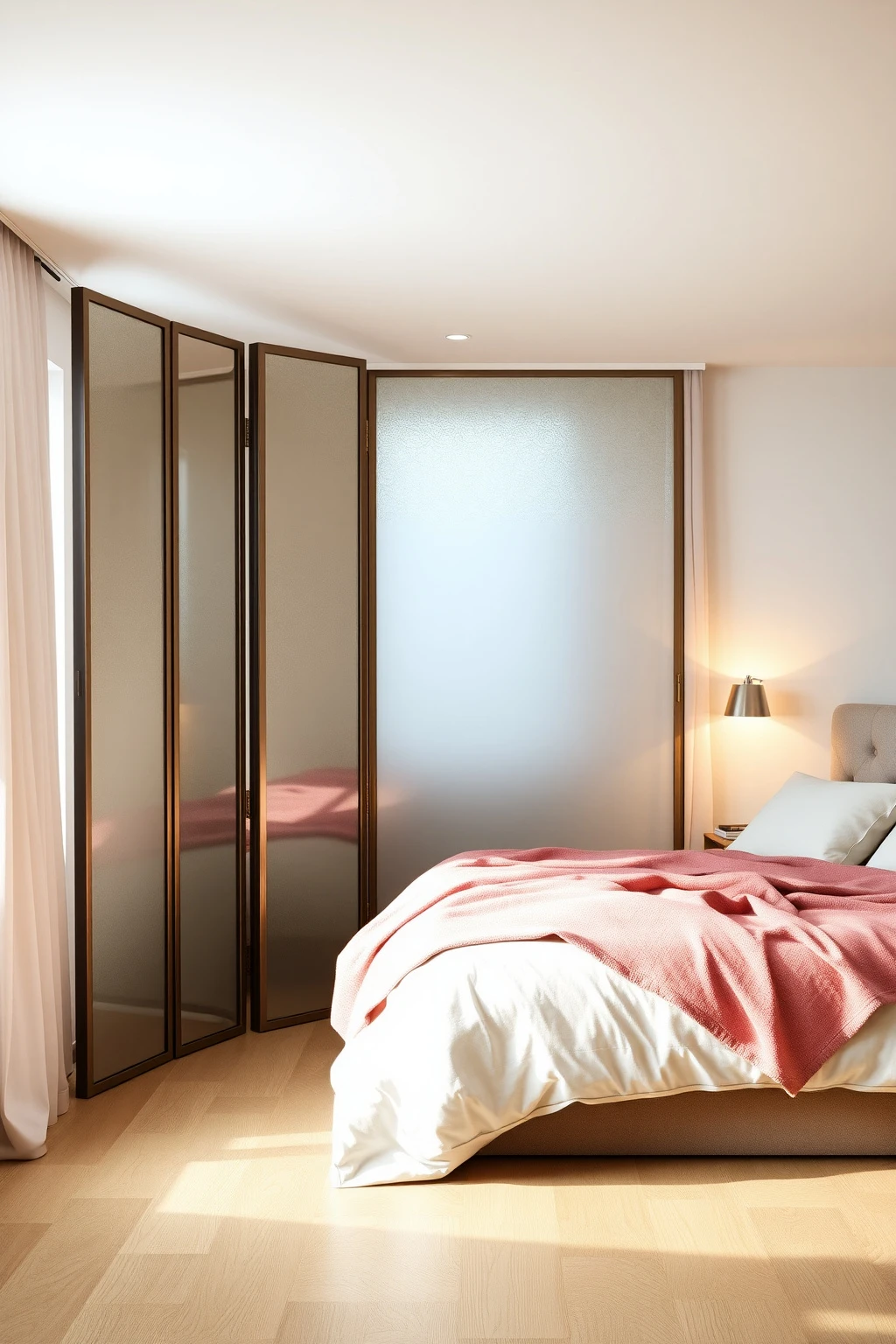
Mirrors can make a space feel bigger, but they can also betray privacy by reflecting the bed. The solution is a mirror screen that’s only partially reflective or strategically placed so it doesn’t bounce the bed toward the hallway. It works when you want brightness but still need your sleeping area to feel protected.
Choose a folding screen with mirrored panels replaced by frosted or etched glass sections. Place it so the reflective side faces a wall or window, not the doorway, and angle the screen about 15 degrees to avoid direct reflections. If you already own a mirror screen, add a removable frosted film strip across the top half where most sightlines hit. Mistake to avoid: placing a fully reflective screen directly opposite the bed, which turns privacy into a visibility issue at night.
Vintage Window Frame Screen for a Story-Rich Nook
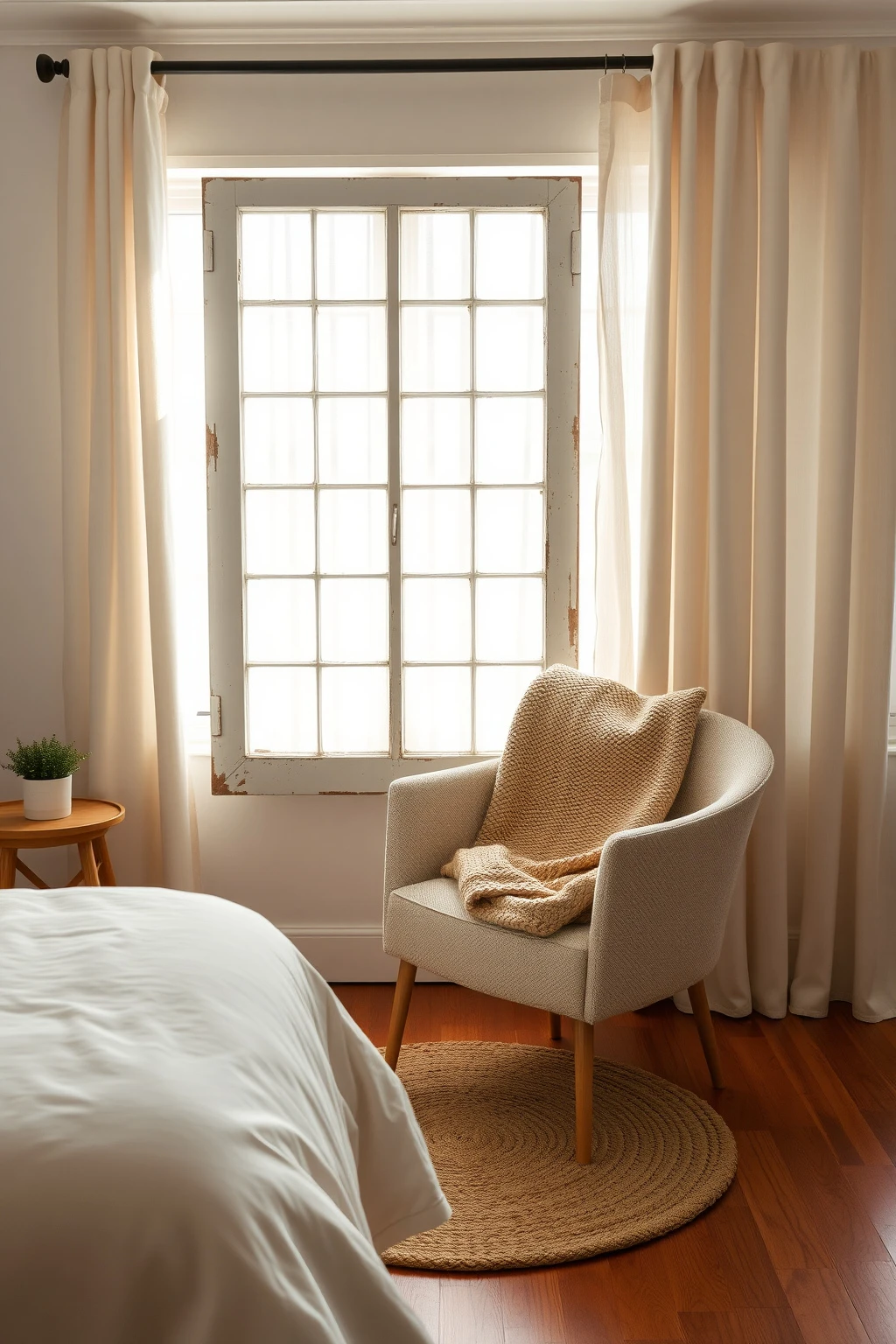
Instead of buying a standard divider, borrow from architecture. A reclaimed window frame screen instantly looks intentional, and it adds depth because the grid structure creates shadow patterns. It’s perfect for a bedroom where you want privacy around a reading chair, not necessarily full bed concealment.
Use a reclaimed window frame with intact muntins and hang fabric behind it like off-white cotton voile. Place it around 8 to 12 inches away from the seating area so you don’t block the chair’s movement or legs. If your room is small, keep the frame height under 6 feet so you don’t overwhelm the ceiling. Mistake to avoid: using a frame that’s too thin without reinforcement, since fabric behind it will sag and make the whole piece look uneven.
Painted MDF Acoustic Screen for Sound + Privacy
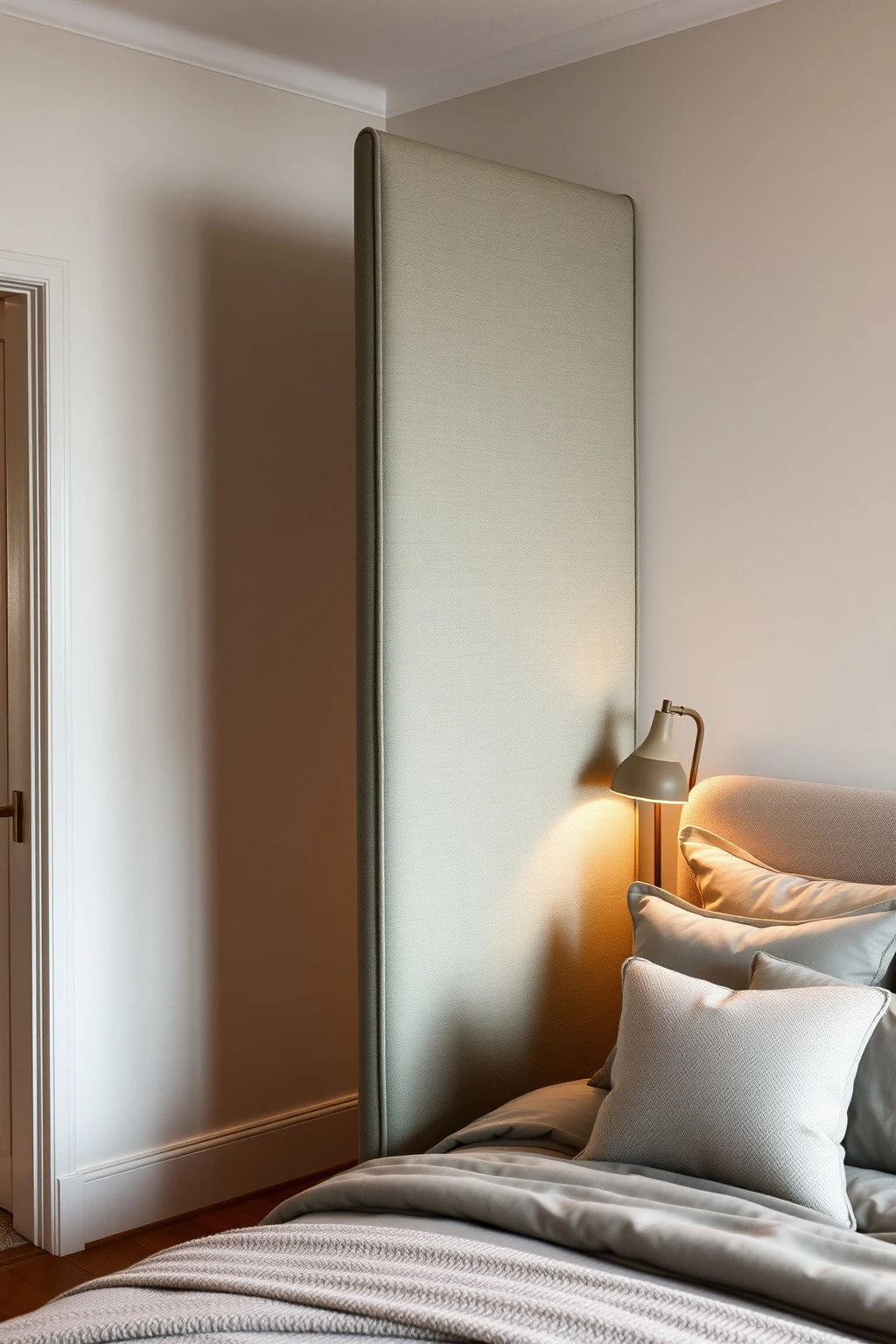
If privacy includes quiet, not just visuals, try an acoustic-style screen with paneling. Bedrooms get loud through thin walls, and a denser screen can help absorb a bit of sound while also blocking sightlines. This is especially helpful in shared walls townhomes or apartments.
Look for a screen with felt or acoustic foam backing wrapped in fabric, then paint or choose a fabric cover in sage, charcoal, or warm gray. Place it between the bed and the noise source, usually the shared wall side, and keep it close enough that sound won’t pass through obvious air gaps. Target a height of 60 to 72 inches depending on your bed height. Mistake to avoid: putting the acoustic screen too far away, because you’ll lose coverage and the “shield” effect.
Biophilic Privacy Screen with Living Climbing Plants
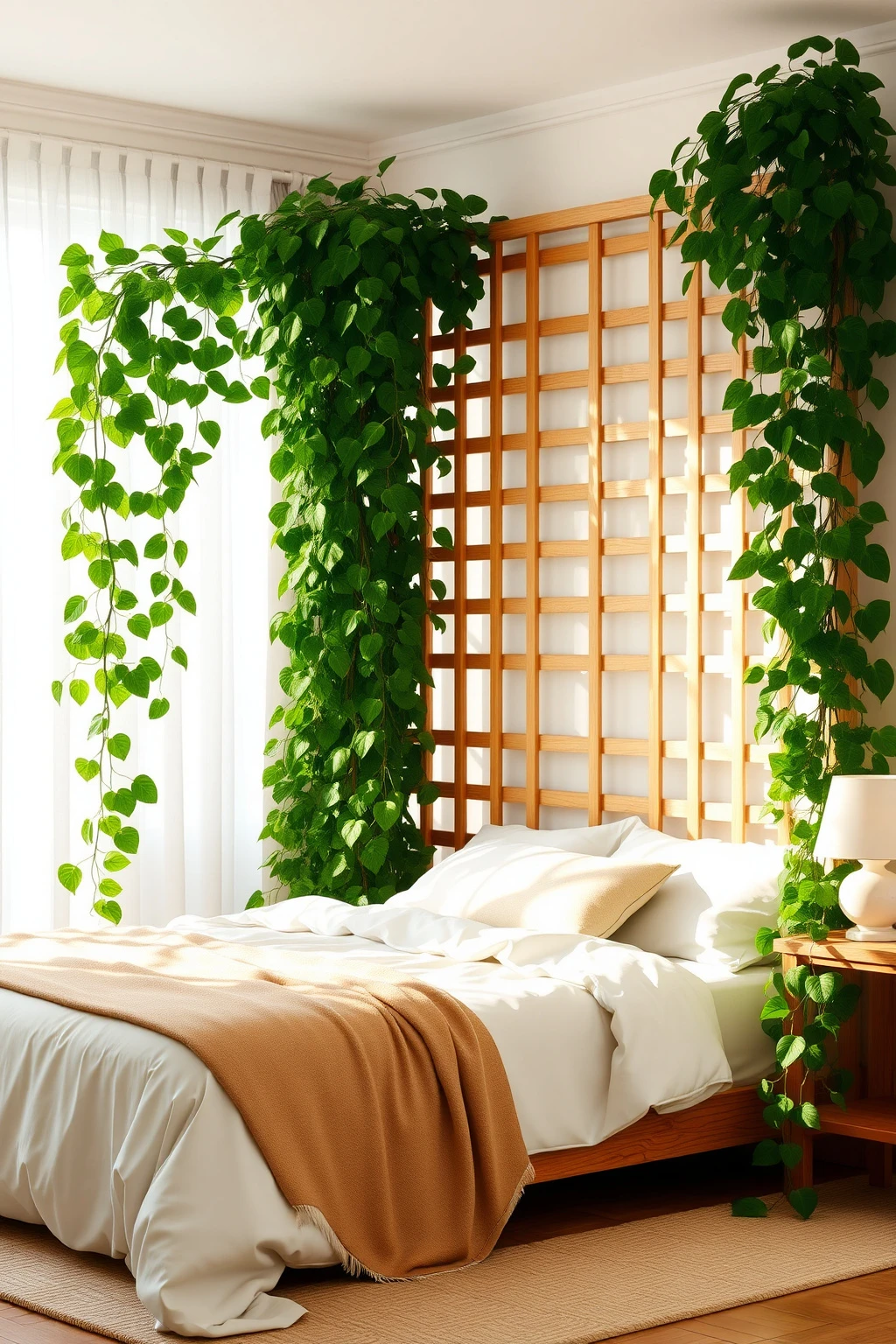
Privacy doesn’t have to be purely inanimate. A screen with a built-in trellis for climbing plants adds privacy that’s alive, and it softens the visual harshness of a modern bedroom. The plants also make the room feel calmer, which is a big deal if you’re trying to wind down.
Use a trellis-backed screen at least 72 inches tall and plant with easy climbers like pothos cuttings or jasmine if your light is strong enough. Water carefully and rotate the screen weekly so growth stays even. Place the trellis near a bright window, but shield the bed with the screen so leaves aren’t brushing your pillows. Mistake to avoid: planting too close to the nightstand, because trailing vines can tangle cords and make daily upkeep annoying.
Luxe Velvet Screen in Dusty Rose for Evening Retreats
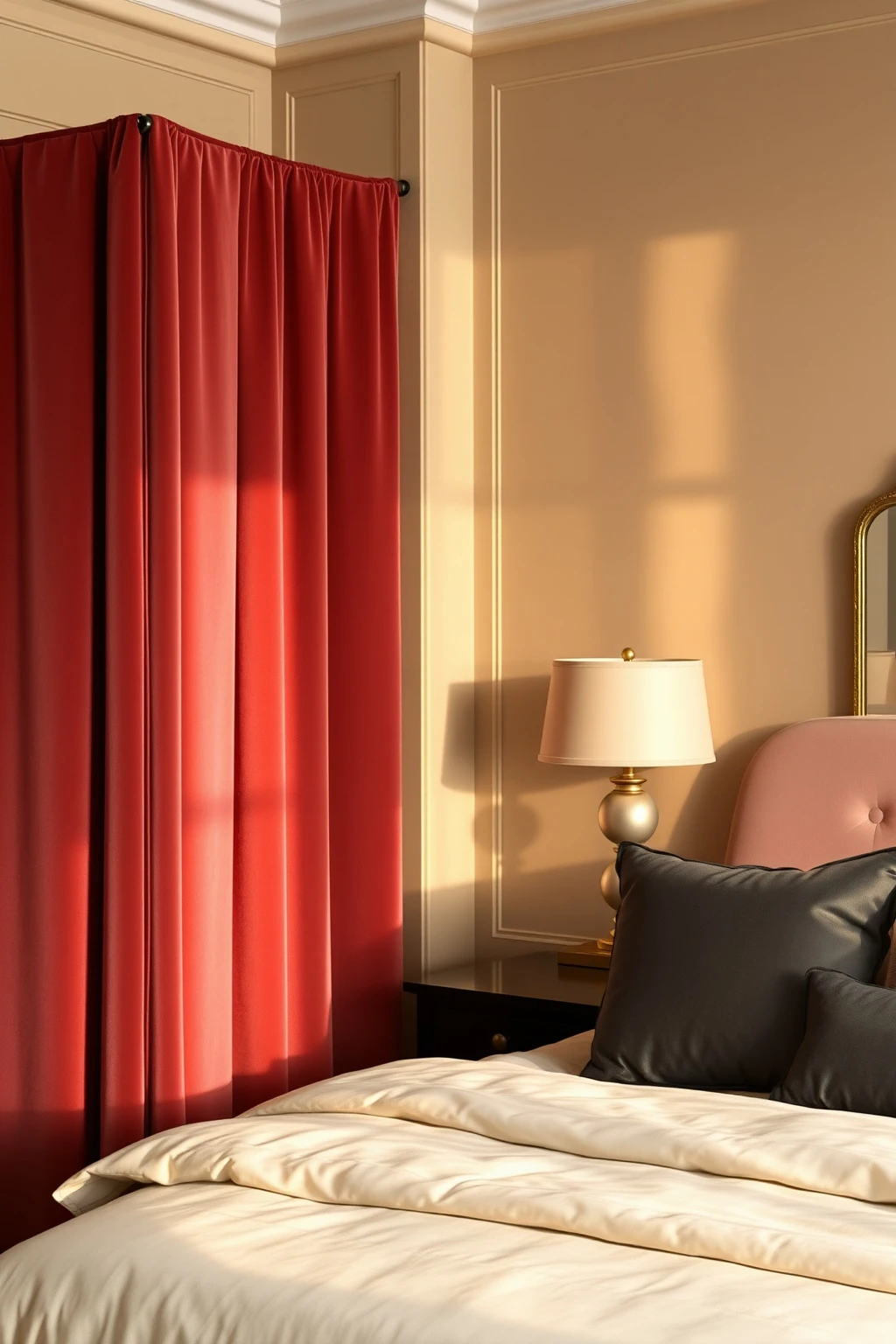
Velvet might sound like overkill until you notice how it absorbs light. In a bedroom with north-facing light or cool evenings, a dusty rose velvet screen warms things up while still creating privacy. It’s a beautiful choice when you want the divider to feel like part of the décor, not an afterthought.
Choose a velvet screen with a closed weave and a weighty feel, ideally in dusty rose, cocoa, or deep charcoal. Keep it away from direct sunlight to prevent crushed pile marks. Place it slightly offset from the bed so you can still access bedside storage, usually 6 to 14 inches from the furniture. Mistake to avoid: picking a velvet that’s too shiny, because it can look “glossy costume” under warm lamps instead of rich and tailored.
Charcoal Fabric Screen with Fringe for a Soft Zoning Effect
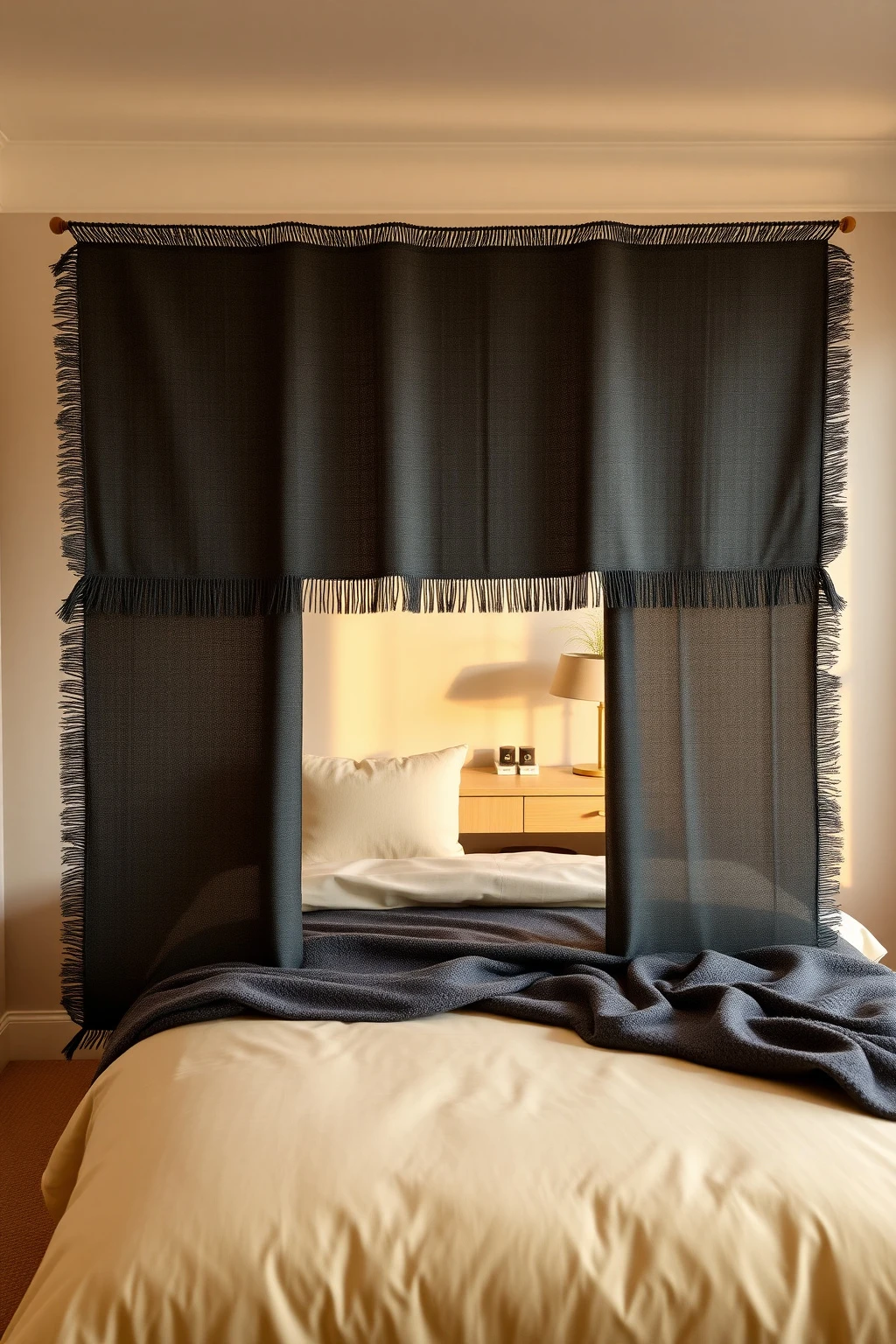
Instead of trying to hide a layout, use a screen to define it. A charcoal fabric screen with a subtle fringe creates a softer boundary and makes the space feel styled, not segmented. This works well when you’re zoning a bedroom that also holds a desk or dresser.
Pick a screen with tassels or a fringe edge that hangs at least 2 to 4 inches for movement, and choose a tight-woven fabric so it blocks shadows at night. Place it to line up with the front edge of your desk, then let it extend into the bed zone by about 12 to 18 inches. If you have patterned bedding, stick to charcoal or warm gray to avoid visual overload. Common mistake: choosing a screen that’s too light in color, because it won’t hide the outline of your desk setup in evening light.
Corner Placement Screen to Create Privacy Without Blocking the Window
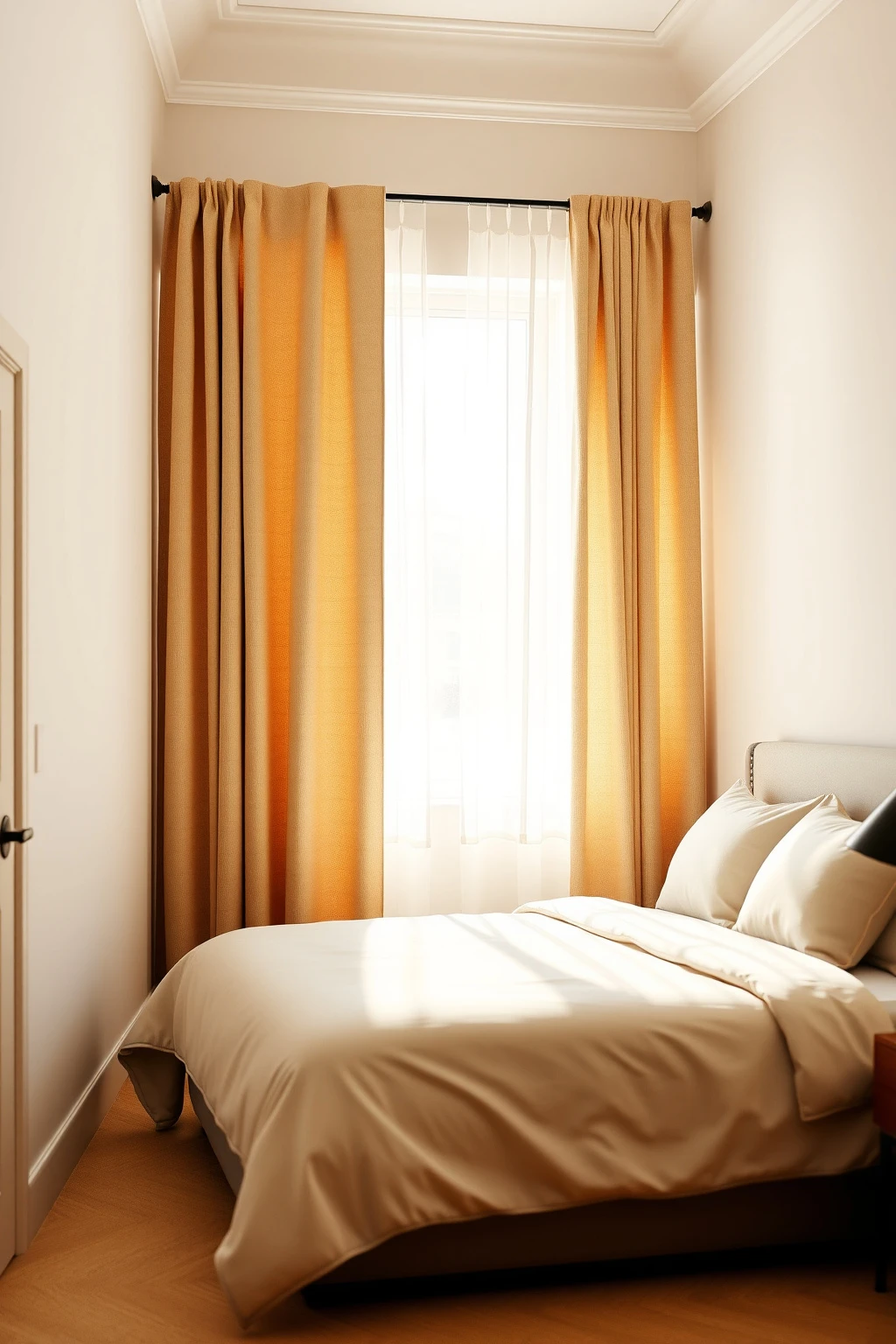
One of the fastest ways to make a bedroom feel worse is to place a divider right in front of the window. If you want privacy and you have limited light, put your screen in the corner and use the wall as part of the “shield.” This creates coverage across two angles while preserving the brightest surface.
Stand the screen a foot or less from one wall in the corner, then angle it so it blocks the direct view from the doorway. Aim for a height just higher than your headboard, typically 56 to 64 inches, and choose a lighter fabric like oat linen to reflect light. If your corner is tiny, use a slimmer screen width like 30 to 40 inches. Mistake to avoid: angling it too aggressively, which can open up a gap at the foot of the bed where you suddenly become visible again.
Screen Panel Over a Laundry Closet for Hidden Utility
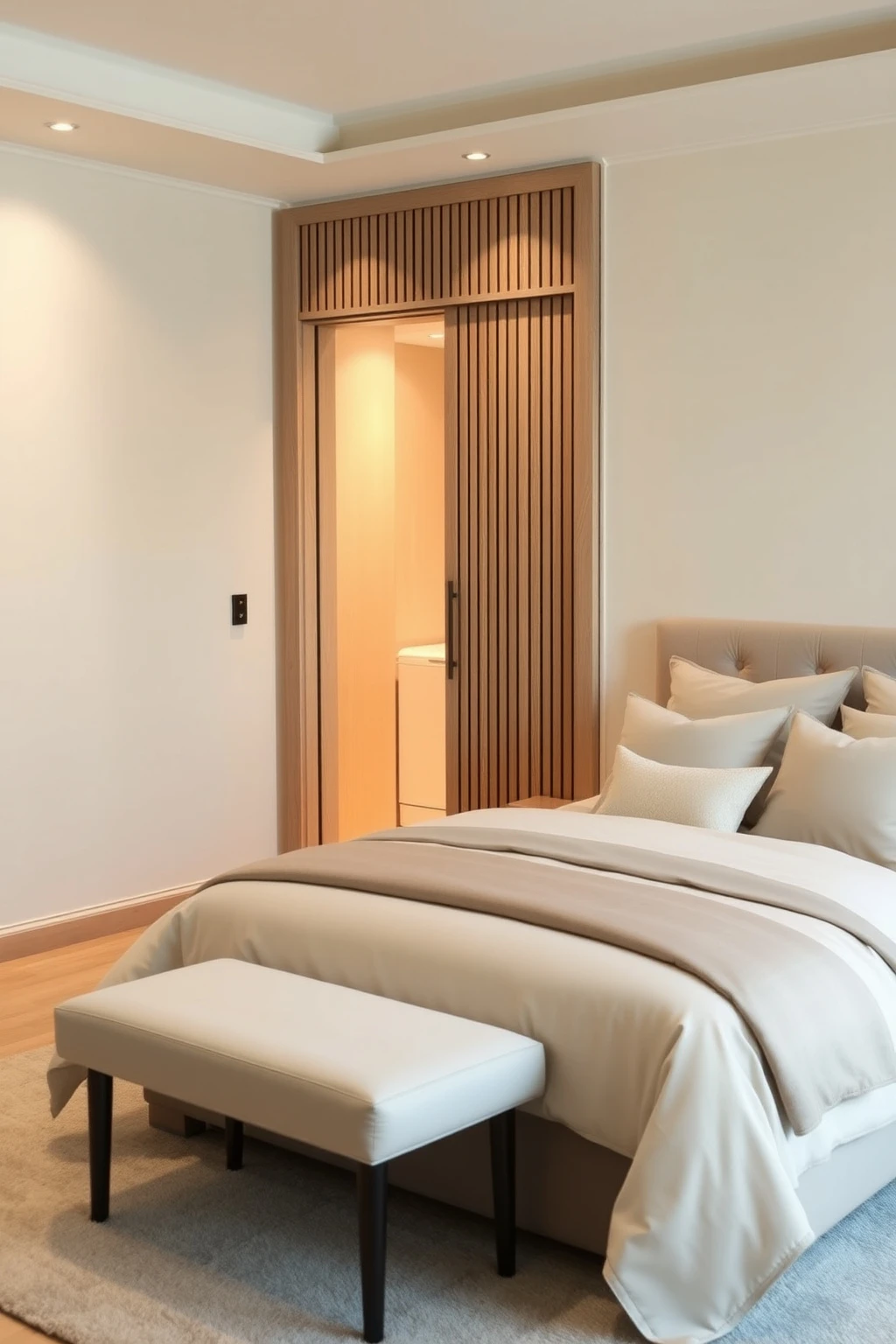
Sometimes your privacy problem isn’t the bed, it’s what’s behind you. If there’s a laundry closet, storage door, or bare utility area in view, a screen panel can conceal it while giving you a more finished bedroom backdrop. The result feels boutique, especially when your closet door doesn’t match the rest of your room.
Choose a screen that matches your bedroom’s finish, like white oak slats or a woven rattan panel in a warm sand tone. Cover the utility door entirely when closed, and keep the panel depth slim so it doesn’t steal walkway space. Use hinges or removable clips if you need occasional access, and keep ventilation in mind by leaving a small gap at the top. Mistake to avoid: covering too tightly if there’s a vent or moisture-prone area nearby; leave at least 1 inch for airflow if needed.
Folded Curtain Screen on a Rod for a Studio Apartment
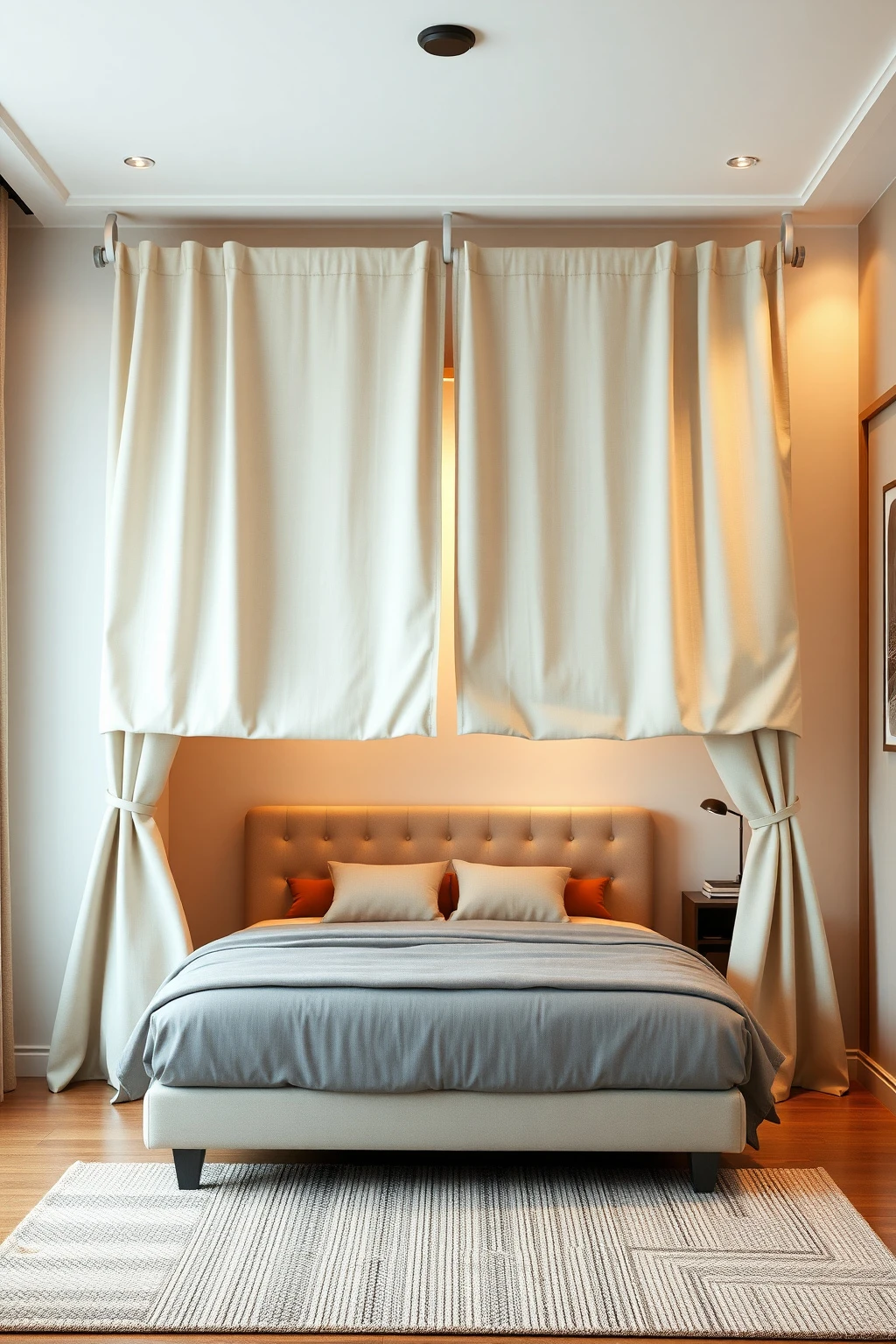
Studios need privacy that can change minute by minute. A folded curtain screen on a rod gives you quick coverage when you’re changing or sleeping, and it clears the view when you want the room to feel open. It’s practical because you don’t need complicated tracks.
Mount a ceiling-to-ceiling rod above the bed line, then hang two curtain panels in thick linen or blackout cotton. Fold them to one side using tiebacks so you can stack them neatly instead of dragging fabric across the floor. For coverage, let the curtains overlap by 8 to 10 inches when closed. Common mistake: using lightweight sheers only, because in studios you often have more direct sightlines from multiple angles.
Screen + Headboard Combo for Extra Coverage
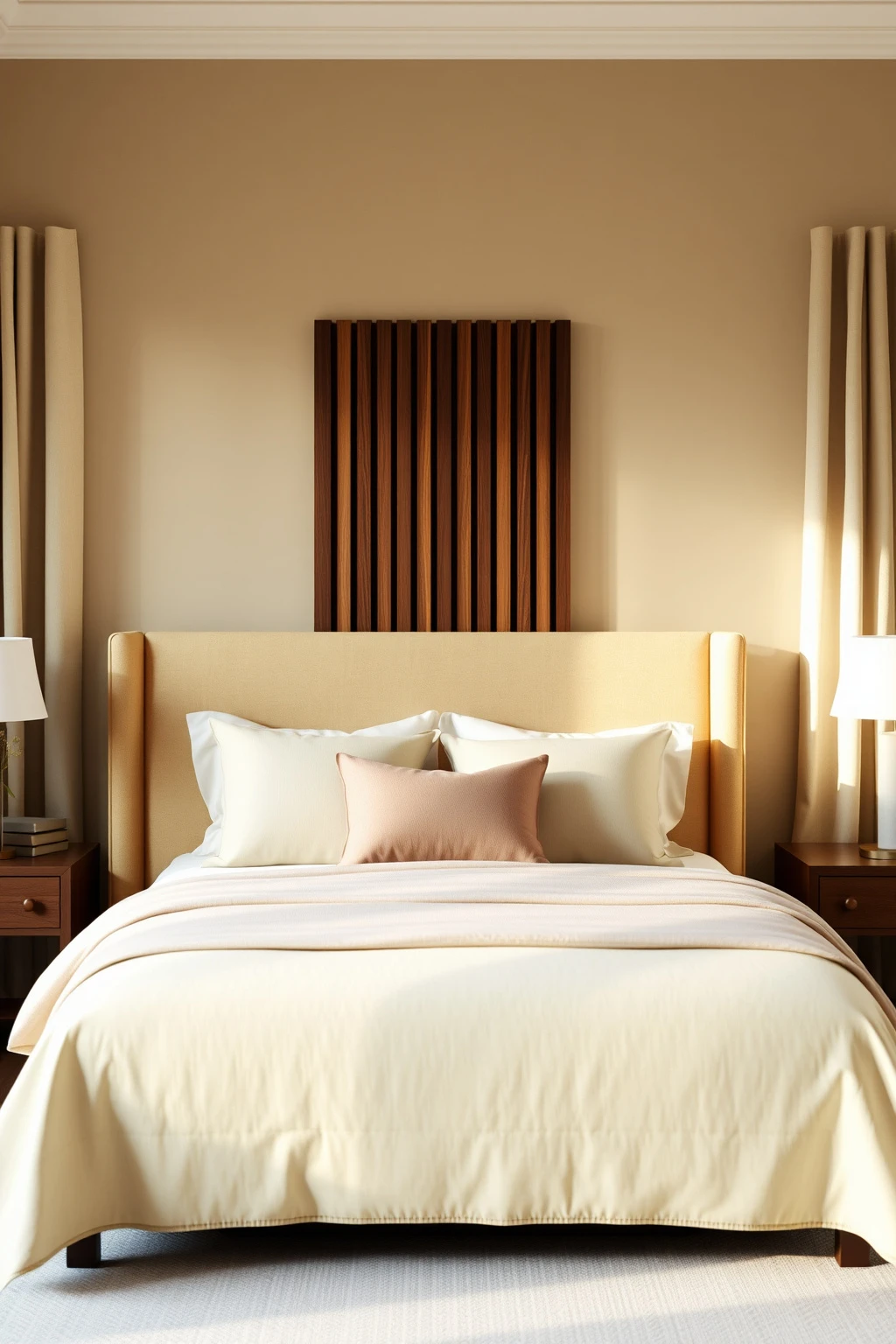
If your bed faces a window or a neighboring building, the headboard alone usually isn’t enough. A screen that pairs with the headboard creates a continuous privacy zone, which feels more secure and looks more designer. You’re basically building a backdrop that blocks both direct sightlines and side angles.
Use a headboard height of about 40 to 48 inches and then place a matching screen panel behind the bed, centered and about 4 to 8 inches away. Choose a material that visually matches your headboard, like upholstered linen or slatted walnut. For a cohesive look, align the top of the screen with the top of the headboard, and keep any patterned fabric consistent across both pieces. Mistake to avoid: mismatching heights, which can leave a “gap band” where your silhouette shows.
Freestanding Acrylic or Polycarbonate Screen for Clear Boundaries
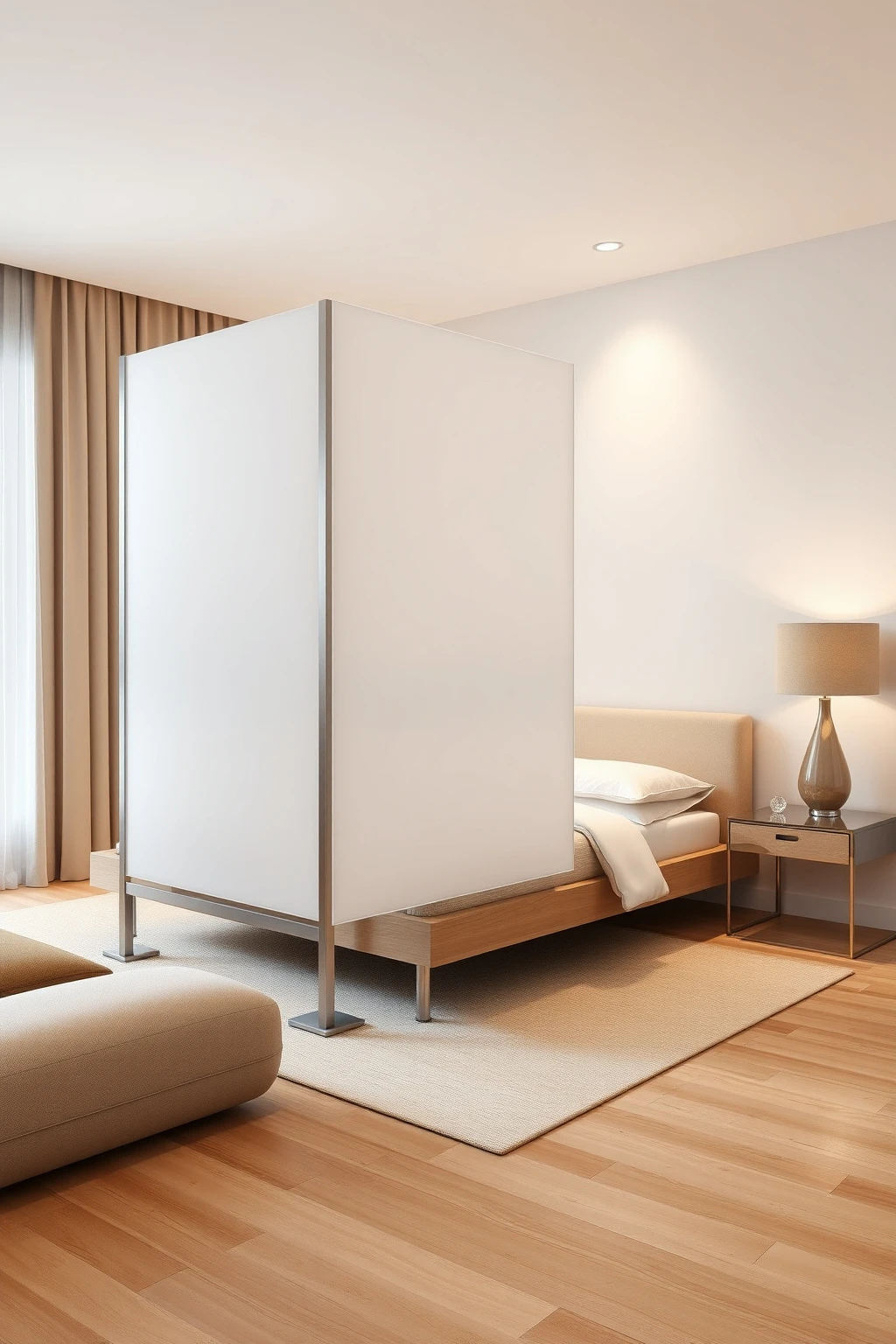
Yes, plastic can look high-end when it’s done with the right finish. A frosted, freestanding acrylic or polycarbonate screen gives you boundary without visual clutter, which is perfect for small rooms where bulky dividers feel heavy. It’s also easy to wipe down if you get dust on surfaces often.
Pick a frosted panel that’s about 60 to 72 inches tall and framed in brushed aluminum or matte black. Place it so it blocks the most direct view from the door, and keep it slightly offset from the bed to prevent glare lines. If you’re worried about too much modern minimalism, add warm textiles nearby, like a caramel throw and a soft ivory rug. Common mistake: choosing clear acrylic, because it can make your bed more visible than you expect due to reflections.
Painted Folding Screen with a Two-Color Panel for Visual Depth
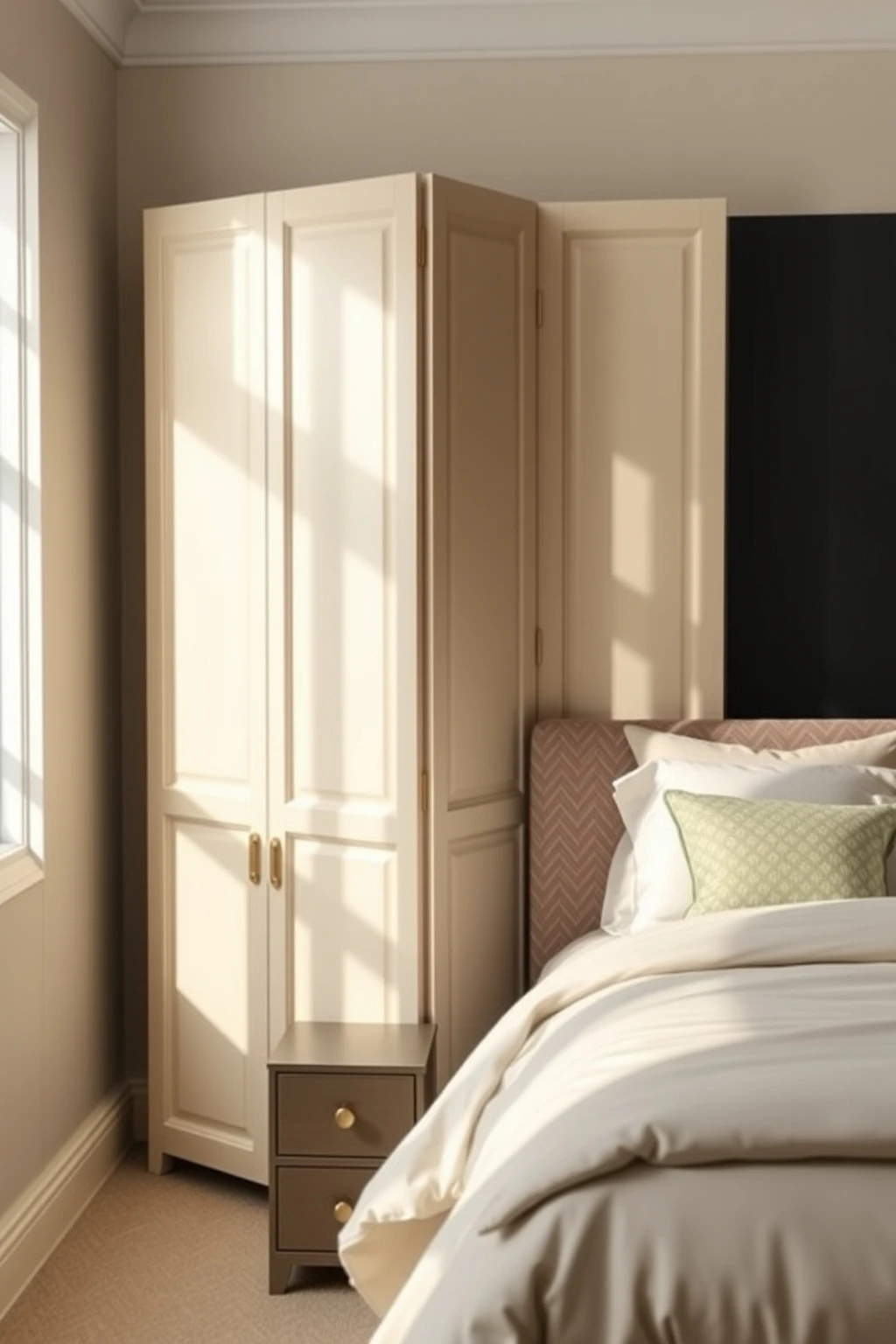
If your bedroom feels flat, use your screen as a color tool. A two-color painted screen adds depth and makes the privacy piece look intentional, like an artwork you can fold. The reason this works is simple: contrast helps the eye read the shape, and the darker tone can mask shadows and movement.
Choose a folding screen painted in warm ivory with charcoal or deep green panels. Paint the interior side darker than the exterior so the “private side” reads cozy at night. Position it behind a reading chair or at the foot of the bed, depending on where sightlines are worst. Keep the screen about 2 feet away from the bed if you want it to feel like a distinct zone rather than a wall replacement. Mistake to avoid: using two colors that are too close in value, which won’t create the depth effect you’re after.
Fabric Curtain Screen with Weighted Hem for No-Gap Privacy
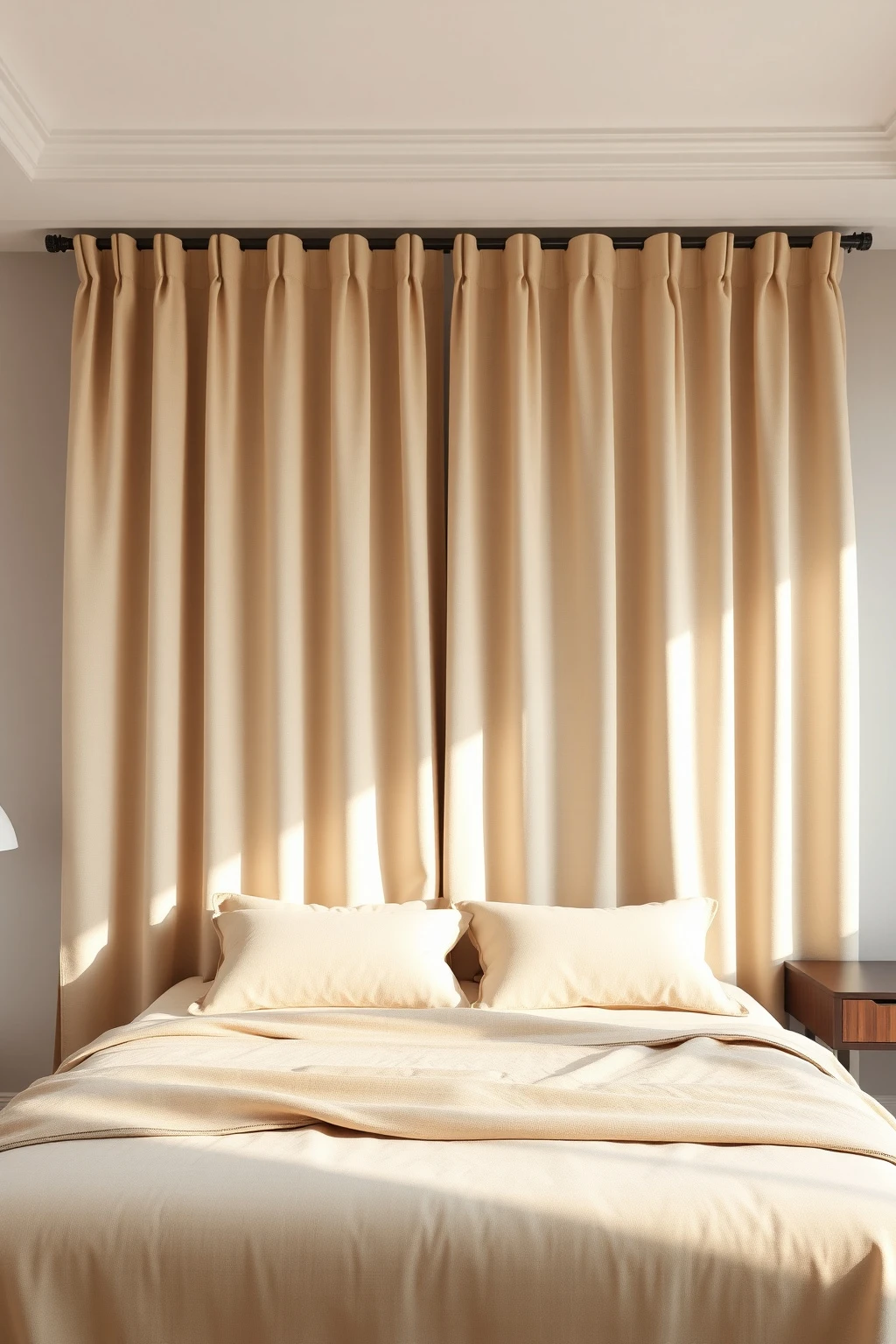
The annoying part of many curtain dividers is the bottom gap. Airflow and breeze from vents can lift fabric, leaving your bed silhouette visible at the lower edge. Weighted hems fix this in a way that looks polished and works in real bedrooms, not just staging photos.
Hang a curtain-screen panel in blackout cotton or heavy linen and add weights sewn into the hem so it hangs straight. Target curtains that reach within 1 inch of the floor so light and visibility don’t sneak under. If you’re using a track, use a fabric that drapes well, like cotton canvas in oatmeal or stone. Mistake to avoid: hemming too high, because even a 3 to 4 inch gap can ruin privacy when the room is dim and shadows sharpen.
Conclusion
The best privacy screen isn’t the one that looks the most decorative, it’s the one that blocks the exact sightline that bothers you. Once you place it at the right height and angle, your bedroom instantly feels more like yours, calmer and easier to relax in.
If you only do one thing after reading this, measure your sightline from the doorway to the bed at night, then choose a screen that reaches that line cleanly. That’s the detail that turns a nice divider into real privacy.

Mush Decor
Writes about accessible, timeless interior styling for readers worldwide.
More about Mush DecorRelated articles
 Bedroom
21 Cozy Shared Kids Bedroom Ideas
Get cozy, practical shared bedroom ideas: storage zones, smart layouts, calming colors, and styling tips for two kids.
Read More Bedroom
23 Nancy Meyers Style Ideas for Your Home
Get the cozy, polished Nancy Meyers vibe at home with 23 practical styling ideas: lighting, textiles, color, and layout tips.
Read More